Awash National Park
Safari suitability: 6/10
Find your tourEasy access from Addis but limited wildlife, particularly big predators
Highlights
- Awash National Park combines wildlife, birdlife, waterfalls, volcanic scenery, and hot springs within a relatively compact area.
- Its accessible location and varied landscapes make it one of the easiest national parks to include on an Ethiopia itinerary.
- For visitors with limited time in Ethiopia, Awash offers wildlife, birdwatching, and Rift Valley scenery within easy reach of Addis Ababa.
About Awash National Park
Awash National Park lies in Ethiopia's Rift Valley and protects a landscape of acacia woodland, open plains, volcanic formations, river gorges, and natural hot springs. Established in 1966, it is one of Ethiopia's oldest national parks and among the easiest to reach from Addis Ababa. The park offers a different experience from Ethiopia's mountain destinations. Wide savannas stretch across much of the park, while the Awash River flows through the landscape before plunging into a rocky gorge. Wildlife, birdlife, waterfalls, hot springs, and volcanic scenery all contribute to the park's attraction.
Wildlife of Awash National Park
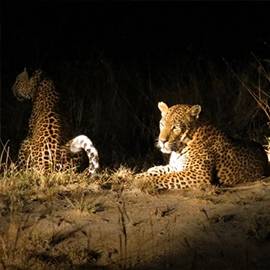
Beisa oryx and Soemmerring's gazelle are among the animals commonly found in Awash National Park. The open terrain makes wildlife relatively easy to observe, particularly during the morning and late afternoon. Greater kudu, lesser kudu, olive baboon and hamadryas baboon are also regularly seen throughout the park. Other frequently seen species include Salt's dik-dik, warthog, grivet monkey and black-backed jackal. Crocodiles are often spotted along the banks of the Awash River. Leopards and spotted hyenas are present in the park but are rarely seen.
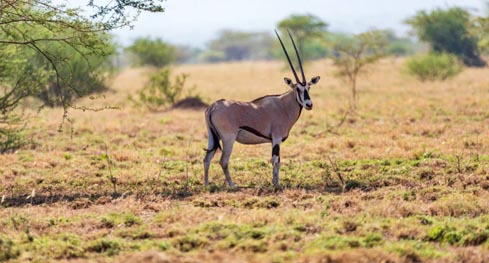
Awash once supported a greater diversity of large mammals than it does today. Historical records indicate that elephants, rhinoceroses, and Cape buffalo, three members of Africa's big five, were found in the park until around the 1960s. These species are no longer found in the park due to hunting, habitat loss and declining populations. Zebras were also once present but have disappeared from the area.
Awash birdlife
More than 450 bird species have been recorded in Awash National Park, making it one of Ethiopia's top destinations for birdwatching. Its mix of wetlands, riverine habitats, savanna and woodland supports a wide variety of resident and migratory birds. Visitors may encounter Secretarybirds, African fish eagles, northern carmine bee-eaters, vulturine guineafowl, hornbills, storks and numerous birds of prey. Filwoha Hot Springs and the Awash River corridor are ideal for the best birdwatching.
Landscapes and scenery
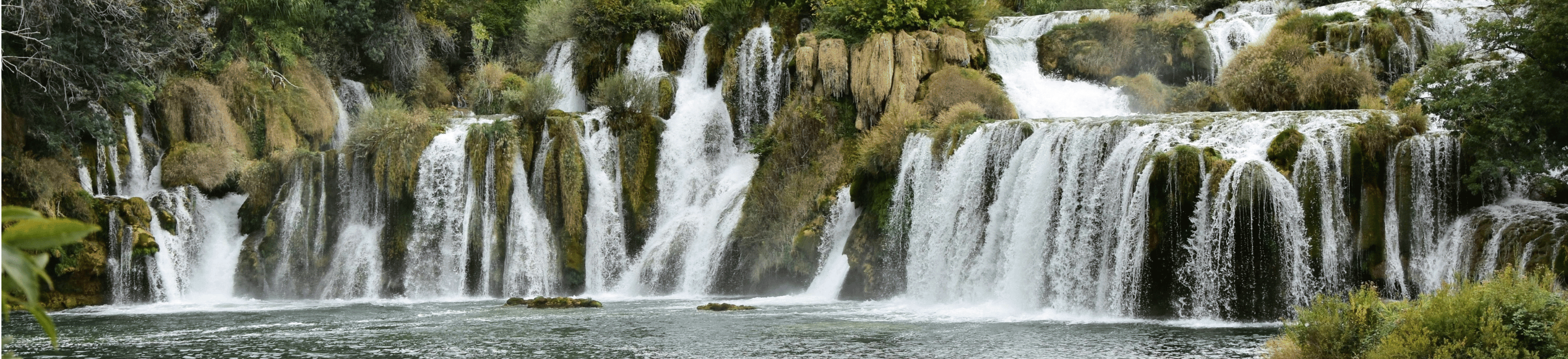
Awash National Park combines open savanna, volcanic terrain, river gorges, and natural hot springs. Acacia-dotted plains cover much of the park, while volcanic hills, lava fields, palm groves, and riverine vegetation add variety to the landscape. Awash Falls is one of the park's best-known attractions. Here, the Awash River plunges into a deep rocky gorge, creating one of the most dramatic natural features in the park. The falls and surrounding gorge are popular stops for visitors exploring the park. Nearby, the Filwoha Hot Springs emerge among doum palms and attract both wildlife and birdlife. The springs provide an important water source in this dry landscape and are one of the park's most distinctive natural features. Mount Fentale rises above the surrounding plains on the western side of the park. The dormant volcano and its historic lava fields add another dimension to Awash's scenery and highlight the geological forces that shaped the Rift Valley landscape.
Activities
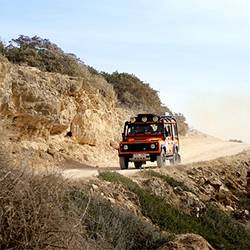
Wildlife viewing is the main activity in Awash National Park. Game drives provide opportunities to see oryx, gazelles, baboons, kudu, and other wildlife across the open plains, where sparse vegetation makes animals easier to spot. Birdwatching is excellent throughout the year, while photographers are drawn to the park's wildlife, waterfalls, volcanic scenery, and Rift Valley landscapes.
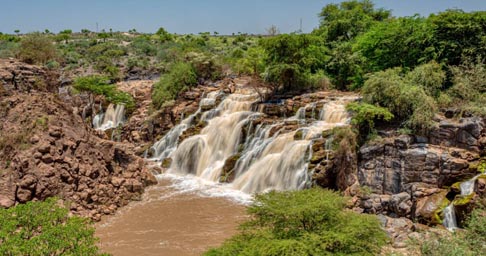
Visitors can also explore Awash Falls, visit the Filwoha Hot Springs, and enjoy views of Mount Fentale and the surrounding volcanic terrain. Guided walks are available in designated areas and offer a closer look at the park's landscapes, birdlife and geological features.
Best times to visit Awash National Park
The most popular time to visit is from October to February, when rainfall is lower and temperatures are more comfortable. Wildlife is generally easier to spot during this period, and road conditions are usually at their best. Birdwatching can be is possible throughout the year, with seasonal changes bringing different species and levels of activity.
Accommodation
Lodging is available both inside and near the park. Awash Falls Lodge is the best-known accommodation option and provides convenient access to the falls, river gorge, and wildlife-viewing areas. Camping facilities are also available for visitors who wish to spend more time within the park. Doho Lodge, located near the park boundary and close to natural hot springs, provides another option for visitors exploring the area.
Awash National Park lies 215–225 km east of Addis Ababa along the main highway connecting the capital with Dire Dawa and eastern Ethiopia. The drive takes around four hours, making it one of the country's most accessible national parks. Its location makes it an easy addition to many Ethiopia itineraries and allows visitors to experience wildlife and Rift Valley scenery without traveling far from the capital.