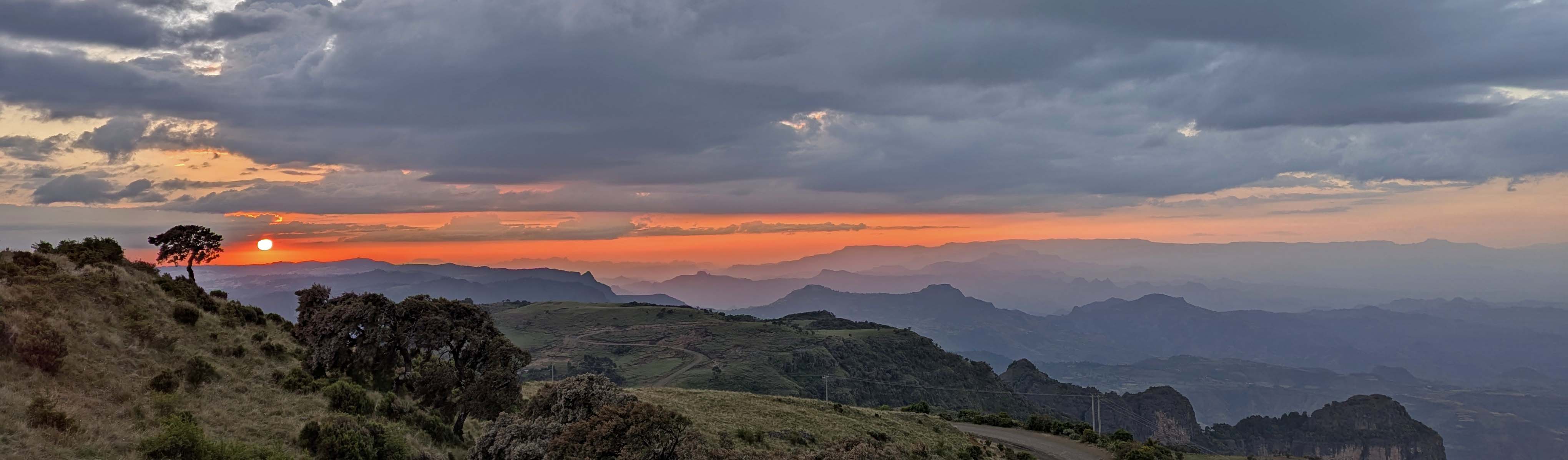
Getting to Ethiopia
Ethiopia safari guide
Currency exchange
Recommended vaccinations
Hepatitis A
Hepatitis A is a liver disease caused by the hepatitis A virus. The virus is primarily spread when an uninfected (and unvaccinated) person ingests food or water that is contaminated with the feces of an infected person. The disease is closely associated with a lack of safe water, inadequate sanitation and poor personal hygiene. Every year there are an estimated 1.4 million cases of hepatitis A worldwide. Hepatitis A vaccines are given in two doses. Anyone two years of age or older may receive the first dose. The timing of the second dose depends upon which manufacturer’s vaccine is administered. Both hepatitis A vaccines have pediatric and adult formulations.
- We recommend this vaccination when you go to:
- Botswana
- DR Congo
- Gabon
- Kenya
- Madagascar
- Malawi
- Mozambique
- Namibia
- Rwanda
- South Africa
- Tanzania
- Uganda
- Zambia
- Zimbabwe
- Chad
- Ethiopia
Hepatitis B
Hepatitis B is transmitted from one person to another through blood and body fluids, and primarily infects the liver. Worldwide, it is most commonly spread to infants by their infected mothers. Most people should get three doses of the hepatitis B vaccine. All newborns should receive a dose of hepatitis B vaccine at birth.
- We recommend this vaccination when you go to:
- Botswana
- DR Congo
- Gabon
- Kenya
- Madagascar
- Malawi
- Mozambique
- Namibia
- Rwanda
- South Africa
- Tanzania
- Uganda
- Zambia
- Zimbabwe
- Chad
- Ethiopia
MMR
Measles, mumps and rubella are highly infectious viruses that can have serious complications, including meningitis, swelling of the brain (encephalitis) and deafness. They can also lead to complications in pregnancy that affect the unborn baby and can lead to miscarriage. As a general rule, adults born before 1957 are considered immune to measles and mumps. For many adults born in 1957 or afterward, the MMR vaccine is advised. Most people who receive the MMR vaccine will have no problems from it. Others may have minor problems, such as soreness and redness where the shot was given, or fevers. Serious problems from receiving the MMR are rare.
- We recommend this vaccination when you go to:
- Botswana
- DR Congo
- Gabon
- Kenya
- Madagascar
- Malawi
- Mozambique
- Namibia
- Rwanda
- South Africa
- Tanzania
- Uganda
- Zambia
- Zimbabwe
- Chad
- Ethiopia
Typhoid
Typhoid (typhoid fever) is a serious disease. It is caused by bacteria called Salmonella Typhi. Typhoid causes a high fever, fatigue, weakness, stomach pains, headache and loss of appetite. Generally, people get typhoid from contaminated food or water. Typhoid strikes about 21 million people a year around the world and kills about 200,000. There are two vaccines to prevent typhoid. One is an inactivated (killed) vaccine administered as a shot; the other is a live, attenuated (weakened) vaccine which is taken orally (by mouth).
- We recommend this vaccination when you go to:
- Botswana
- DR Congo
- Gabon
- Kenya
- Madagascar
- Malawi
- Mozambique
- Namibia
- South Africa
- Tanzania
- Uganda
- Zambia
- Zimbabwe
- Chad
- Ethiopia
Tetanus
Tetanus (Lockjaw) is caused by toxin-producing spores of a bacterium, Clostridium tetani that inhabit the soil and the bowels of animals and humans. When they enter a deep flesh wound, spores of the bacteria may produce a powerful toxin, tetanospasmin, which actively impairs motor neurons, nerves that control muscles. The tetanus toxin causes severe muscle contractions, or spasms. Fever, sweating, elevated blood pressure, and rapid heart rate may also occur. A multitude of tetanus vaccines are available.
- We recommend this vaccination when you go to:
- Botswana
- DR Congo
- Gabon
- Kenya
- Madagascar
- Malawi
- Mozambique
- Namibia
- Rwanda
- South Africa
- Tanzania
- Uganda
- Zambia
- Zimbabwe
- Ethiopia
Yellow fever
Yellow Fever is a virus that is spread via the bite of a mosquito and is found in parts of Africa and in South America. It is a serious disease that may result in death if left untreated. The vaccination is a live, weakened version of the virus. People who will be travelling need to allot at least two weeks after their vaccination to ensure they do not develop any severe reactions to the vaccination. It is recommended to get vaccinated at least a month prior to departure. Upon receiving the vaccination, patients will receive a certificate that is good for 10 years. This certificate may be needed to gain entry into certain countries and should be kept with passports. It is now believed that a single vaccination is good for life.
- We recommend this vaccination when you go to:
- Botswana
- DR Congo
- Gabon
- Kenya
- Namibia
- South Africa
- Tanzania
- Uganda
- Chad
- Ethiopia
Voltage and plug type

Type D (220V)

Type G (220V)
Highlights
- Rare endemic wildlife, including gelada monkeys, Walia ibex, Ethiopian wolves and mountain nyala
- Dramatic Simien and Bale Mountains, where wildlife roams across rugged cliffs and vast Afro-alpine landscapes
- A birdwatcher’s paradise with more than 860 recorded species, including at least 18 found only in Ethiopia
- Combine exceptional wildlife viewing with Rift Valley lakes, ancient cultures and some of Africa’s most extraordinary scenery
About Ethiopia
Ethiopia, known as the "Land of Origins," takes you to a world where ancient history, dramatic landscapes and rare wildlife coexist. It was here, in the Lower Awash Valley, that the 3.2-million-year-old fossil known as Lucy was discovered, offering one of the earliest windows into the story of humanity.
Ethiopian wildlife
Wildlife enthusiasts get to experience the unbelievably stunning landscapes these rare endemic species call home. Simien Mountains National Park provides refuge for the endemic gelada monkey and the Walia ibex, found nowhere else on Earth. Inside Bale Mountains National Park, you'll find the endangered Ethiopian wolf, the mountain nyala, and Menelik's bushbuck roaming free across the vast Afro-alpine landscapes. Other wildlife you may spot in these parks includes golden jackals, giant mole-rats, leopards, lions, warthogs, guereza monkeys, olive baboons, Starck's hare, Bohor reedbuck, giant forest hogs, and hyenas.
Ethiopia is also every birdwatchers' dream, with over 860 registered species, including at least 18 endemic birds. You can spot more than 180 bird species in Simien Mountains National Park, including the lammergeier and the Abyssinian catbird. Ethiopia's extreme landscapes are worth noting, as you can go from the cool, rugged peaks of the Simien Mountains to the otherworldly Danakil Depression, one of the hottest and least inhabited places on the planet. Its vibrant mineral formations, salt plains, and volcanic landscapes create a truly spectacular scene.
Ethiopian food and drink
Beyond wildlife and wilderness, you get to encounter vibrant communities as you travel. The Omo Valley is home to diverse Indigenous communities, where centuries-old customs, ceremonies, and ways of life continue to thrive, adding a rich cultural dimension to the safari experience. The Ethiopian Rift Valley lakes provide habitats for hippos, crocodiles, flamingos, and countless bird species. Northwest of the Ethiopian Highlands lies Lake Tana, the primary source of the Blue Nile. Ethiopia is the birthplace of coffee, with the story of its discovery dating back as far as the 9th century.

Coffee remains an integral part of daily life and is served from high-end hotels to streetside vendors. The Ethiopian coffee ceremony is elaborate and immersive, and locals often invite you for a cup (sini) of coffee as a gesture of hospitality. Ethiopia is one of the world's most vegan-friendly destinations as the Ethiopian Orthodox Christian tradition includes approximately 250 fasting days each year, during which many people abstain from all animal products. As a result, almost every restaurant across the country offers a variety of flavorful plant-based dishes prepared using fresh, locally sourced ingredients and organic produce. Christianity has shaped Ethiopian culture for more than 1,600 years, having been adopted in the 4th century. Its influence can be seen throughout the country. Ancient monasteries are abundant and prompt thousands of tourists to visit.

Ethiopian cultural and historical attractions
Ethiopia offers travelers one of Africa's richest collections of cultural, historical, and natural wonders. Located in the country's northern Amhara region is Lalibela, a UNESCO World Heritage Site where 11 remarkable churches were carved entirely from solid volcanic rock during the 12th and 13th centuries. Still an active place of worship, Lalibela offers visitors a rare opportunity to witness centuries-old traditions that continue to this day.
To the northwest lies Lake Tana, Ethiopia's largest lake and the source of the Blue Nile. More than 20 secluded island monasteries are scattered across its 37 islands and peninsulas, some dating back to the 13th century, where ancient manuscripts, royal treasures, and religious artifacts have been carefully preserved.
Just a short drive away are the Blue Nile Falls, known locally as Tis Issat ("Smoking Water"), one of the country's most spectacular natural sights. Around 300 kilometers away is the city of Axum, the ancient capital of the Aksumite Kingdom. Here, you'll find remarkable ruins dating from the 1st to the 13th century A.D., including the 24-meter (79-foot) monolithic Obelisk of Axum, giant stelae, royal tombs, and the ruins of ancient castles. The city is also believed to be the resting place of the Ark of the Covenant.
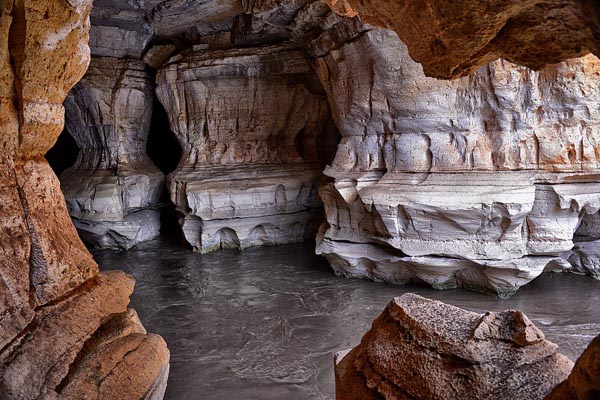
Nearby, the sandstone cliffs of Gheralta are among Ethiopia's most iconic landscapes, home to rock-hewn churches believed to date back to the early centuries of Christianity in Ethiopia. You can scale the sandstone cliffs with the help of a local guide to reach these churches. In southeastern Ethiopia are the Sof Omar Caves, one of Africa's largest cave systems. Situated approximately 115 km (71 mi) from the Bale Mountains National Park headquarters, the caves stretch for roughly 15.1 km (9.4 mi) and feature the underground Weyib River, massive limestone pillars, and 42 entrances. The site also holds deep religious significance and a long Islamic history.
The Danakil Depression, formed by the movement of three tectonic plates, lies about 125 meters (410 feet) below sea level and is considered one of the hottest places on Earth. Its vibrant mineral terraces, vast salt flats, and active volcanoes create an otherworldly landscape unlike anywhere else in the world.
Cities such as Harar, also a UNESCO World Heritage Site, offer a rich Islamic heritage through their centuries-old mosques, traditional architecture, bustling markets, and customs. Getting around varies depending on the city. For a more authentic experience, you can use (often overcrowded) 12-seater minibuses, city buses, and three-wheeled taxis (called Bajaj), which are affordable options used by locals.
In Addis Ababa, ride-hailing apps like RIDE, Feres, and Yango are widely available and make getting around convenient, although they are relatively more expensive. Ethiopia offers solid tourism infrastructure, with a well-established network of safari lodges, camps, and tourism services that make it easy for travelers to plan their trip. If you're looking for an authentic yet relatively seamless safari experience and more, Ethiopia does not disappoint.
When to visit Ethiopia
Ethiopia’s temperate highland climate makes it a year-round destination, but the ideal time for safaris, trekking, and wildlife viewing is between October and March, when the weather is dry and pleasantly warm. September comes with an enchanting season, known locally as Tsedey (spring). As the countryside becomes coated with the vibrant yellow Adey Abeba flowers, the country also welcomes its New Year. June through August is when Ethiopia experiences its rainy season. Though the landscapes turn into a lush green, temperatures can drop below freezing.
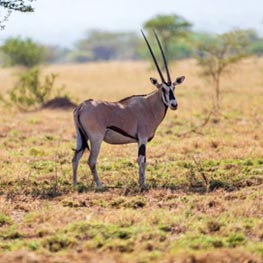
Awash National Park lies in Ethiopia's Rift Valley and protects a landscape of acacia woodland, open plains, volcanic formations, river gorges, and natural hot springs. Established in 1966, it is one of … read more

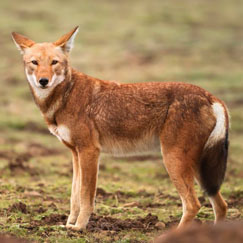
Bale Mountains National Park is one of Ethiopia's most important protected areas. Located in the south-eastern highlands of the Oromia Region, it is home to the world's largest population of endanger… read more
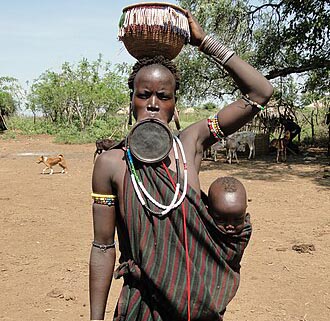
Mago National Park is an IUCN category II protected area located in the Omo zone of the Southern Nations, Nationalities, and Peoples Region (SNNPR) in southwestern Ethiopia. With an estimated land area of 21… read more
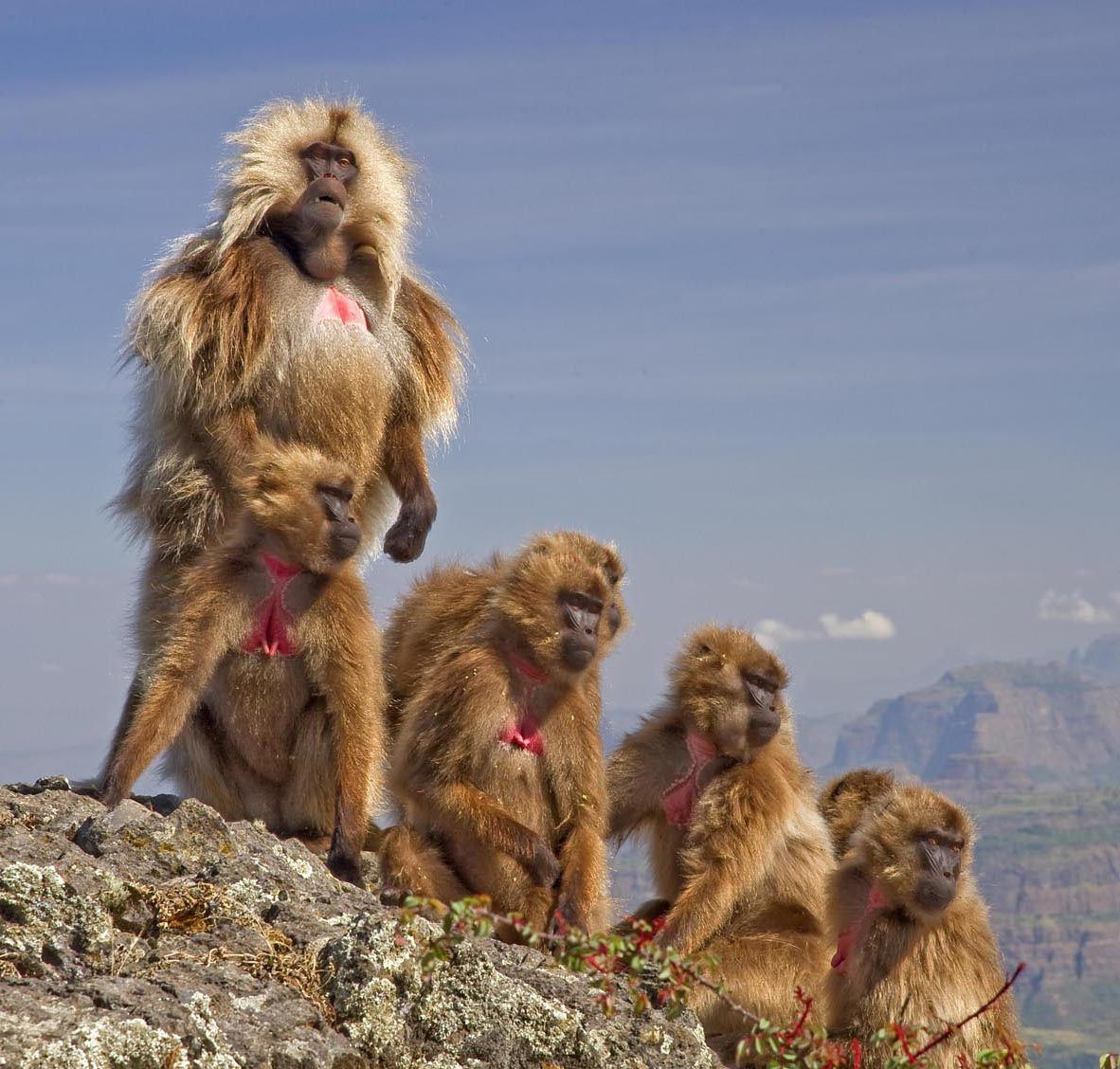
Simien Mountains National Park protects one of the most distinctive landscapes in Africa. Located in Ethiopia's northern highlands, the park is a land of deep valleys, sheer cliffs, rugged peaks, and hig… read more
Ethiopia is one of Africa's most accessible destinations, with Ethiopian Airlines, Africa's largest and highest-awarded airline, connecting the country to major cities across Africa, Europe, the Middle East, Asia, and the Americas. Addis Ababa Bole International Airport (ADD) is the primary gateway to Ethiopia, connecting the country with more than 145 international passenger and cargo destinations. In addition, there are 25 nonstop domestic destinations, making it easy for travelers to reach cities and safari regions across the country.
Ethiopian Airlines is currently the only airline providing nonstop flights between the United States and Ethiopia. The main route connects Washington, D.C. (Dulles International Airport) and Addis Ababa, with a flight time of approximately 13–14 hours. Seasonal nonstop services are also available from Atlanta (Hartsfield-Jackson Atlanta International Airport) and Chicago O'Hare International Airport (ORD). Flights from New York (JFK) and Newark (EWR) are also available, typically with a stop in West Africa before continuing to Addis Ababa.
For travelers traveling to Addis Ababa with lengthy layovers, the airline offers complimentary hotel accommodation and more for eligible passengers.
Emirates operates daily flights between Addis Ababa and Dubai, providing connections across Europe, Asia, and the Americas.
Qatar Airways operates direct flights between Addis Ababa and Doha, connecting travelers through Hamad International Airport to destinations worldwide.
Turkish Airlines operates direct flights between Addis Ababa and Istanbul, offering connections throughout Europe, North America, and Asia.
EgyptAir operates direct flights between Addis Ababa and Cairo, while Saudia and Flynas connect Ethiopia with Saudi Arabia, including Jeddah and Riyadh.
Kuwait Airways operates direct flights between Kuwait City and Addis Ababa, while flydubai offers additional connections through Dubai.
Lufthansa provides connectivity between Frankfurt and Addis Ababa, with other international airlines, including Air India, TAP Air Portugal, Singapore Airlines, and Aegean Airlines, connecting travelers through their respective hubs.


