Bale Mountains National Parks
Safari suitability: 7/10
Find your tourHome to the world's largest population of endangered Ethiopian wolves. For travelers who enjoy nature, walking, photography, and exploring beyond the usual safari circuit, Bale Mountains National Park is one of East Africa's standout destinations. It offers a rare mix of wildlife, scenery, and quiet exploration that leaves a lasting impression.
Highlights
- Gates open from 6h00 to 18h00 all year round.
- Best time to visit: November to February (best for hiking and wildlife)
- Famous for: Ethiopian wolves, mountain nyala, Afro-alpine landscapes, endemic birdlife
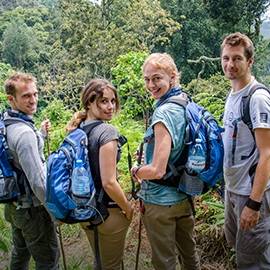
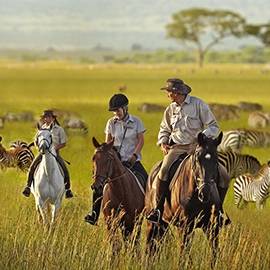
- Activities: Wildlife viewing, birdwatching, hiking, trekking, horse riding, photography, and cultural experiences.
- Key landscapes: Gaysay Grasslands, Sanetti Plateau, Harenna Forest
- Nearest airport: Robe Airport
- Access: Approximately 400 km southeast of Addis Ababa
About Bale Mountains National Parks
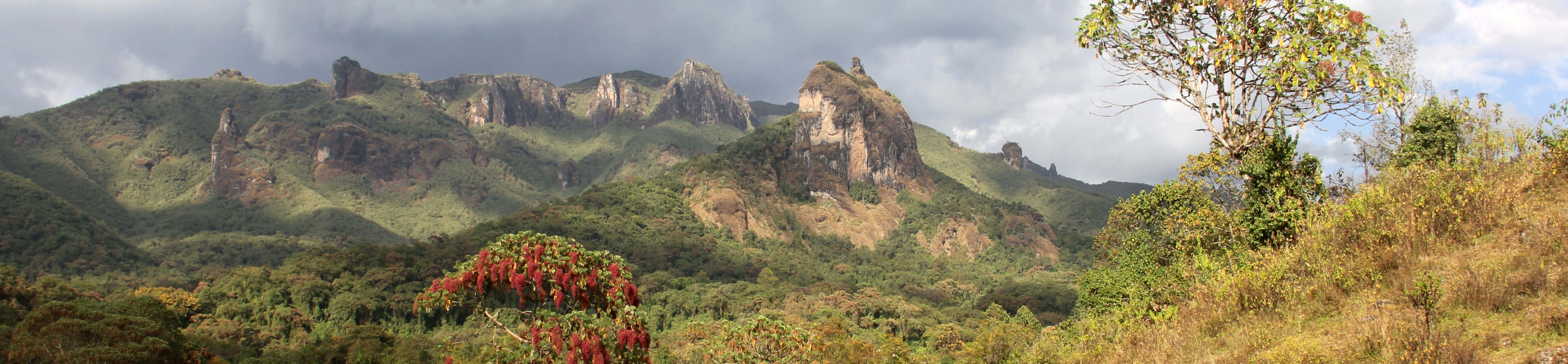
Bale Mountains National Park is one of Ethiopia's most important protected areas. Located in the south-eastern highlands of the Oromia Region, it is home to the world's largest population of endangered Ethiopian wolves and some of Africa's most striking high-altitude scenery. The park covers a wide range of ecosystems, from windswept Afro-alpine plateaus and volcanic peaks to dense montane forests and river valleys. This remarkable diversity supports an unusually high number of endemic species found nowhere else on Earth.
In September 2023, UNESCO inscribed the park as a World Heritage Site, recognizing its outstanding biodiversity and global conservation significance. The visit experience is very different from a traditional African safari: instead of open savannas, visitors encounter dramatic mountain landscapes, rare endemic wildlife, exceptional birdwatching, and outstanding opportunities for trekking and wilderness exploration.
Wildlife of Bale Mountains
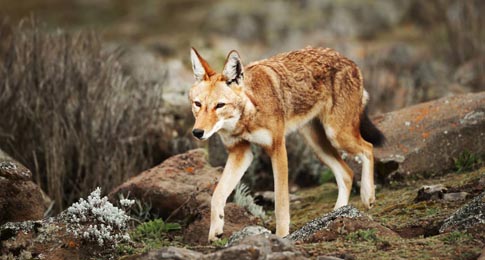
Bale Mountains National Park is home to the largest population of Ethiopian wolves in the world, Africa's rarest canid and one of the most endangered carnivores on the planet. The mountain nyala, a large antelope found only in Ethiopia, is another highlight of the park's wildlife. Mountain nyala, warthog, Bohor reedbuck, Menelik's bushbuck, olive baboon, and Starck's hare are among the animals most commonly seen throughout the park.
The Sanetti Plateau offers the best opportunity to observe Ethiopian wolves and giant mole rats, while the Harenna Forest is known for species such as the endemic Bale monkey. Though harder to spot, the park is also home to leopards, giant forest hogs, bushpigs, African wild dogs, and civets.
Birdlife
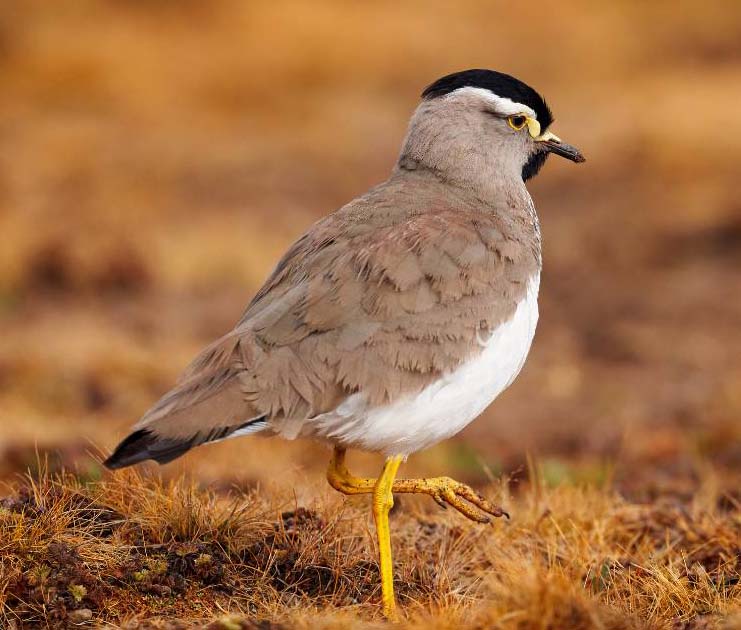
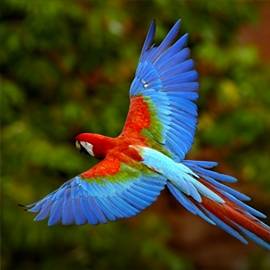
With more than 310 recorded bird species, including many Ethiopian and Abyssinian endemics, Bale Mountains National Park ranks among Africa's leading birdwatching destinations. The African Bird Club has rated Bale among the continent's top birding destinations. Notable species include the blue-winged goose, wattled ibis, Abyssinian catbird, Rouget's rail, thick-billed raven, and spot-breasted lapwing. More than 170 migratory bird species have also been recorded within the park.
Landscapes and scenery
The scenery of Bale Mountains National Park is genuinely spectacular. The Sanetti Plateau is one of the largest continuous Afro-alpine ecosystems in Africa, stretching across vast high-altitude moorlands dotted with giant lobelias, volcanic formations, and glacial lakes. At 4,377 m, Tullu Dimtu is the park's highest peak and offers sweeping views across the Ethiopian Highlands.
From the southern escarpment, the landscape changes dramatically as the lush Harenna Forest takes over with bamboo thickets, waterfalls, old-growth trees, and mist-filled valleys. This transition from an alpine plateau to a tropical forest within a single protected area is one of the main reasons the Bale Mountains is considered so biologically significant.
Activities
Best time to visit Bale Mountains National Park
The dry season, roughly from November to February, is the best time to visit. During this period, skies are clear, temperatures are manageable, and wildlife viewing, hiking, and photography are all at their most accessible. Birding remains rewarding throughout the year.
By contrast, the wet season, which typically runs from May to November, brings heavy rainfall and lush vegetation. Wildflowers spread across the moorlands, streams run full, and the landscape turns intensely green. Hiking can be more challenging, but the scenery is exceptional.
Accommodation
Accommodation ranges from basic guesthouses in Dinsho to eco-lodges near the Sanetti Plateau and Harenna Forest. Staying in different areas can improve the experience, given how distinct each part of the park is. The Bale Mountain Lodge, deep in the Harenna Forest, is the most luxurious option for those wanting more comfort. Tourism infrastructure is still developing, and more options are being added as visitor numbers grow following the UNESCO inscription.
The park lies about 400 kilometers southeast of Addis Ababa. You can reach it by road in around six hours, or take a domestic flight from Addis Ababa International Airport to Robe Airport, the region's main gateway. Most visitors enter through Dinsho, home to the park headquarters, which also serves as the starting point of all the park’s activities.