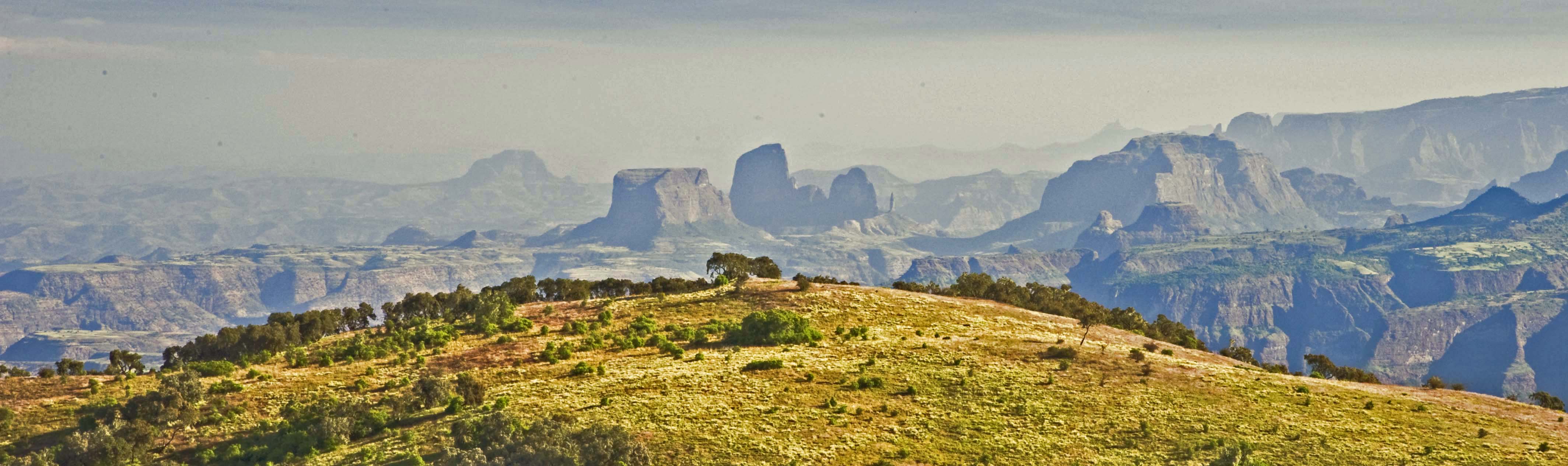
Mago National Park
Safari suitability: 5/10
Find your tourMursi cultural experience are main attraction. Wildlife is second.
Highlights
- Gates open at 9h00 to 17h00 with flexible arrangements for early morning game drives.
- Best time to visit is between October and January -the dry season for road accessibility.
- The park has varied wildlife species including the big five and abundant bird life.
- Visitors can combine both wildlife and cultural tourism with visits to lands inhabited by the Mursi, Karo, and Aari Indigenous Peoples living adjacent to the park.
About Mago National Park
Mago National Park is an IUCN category II protected area located in the Omo zone of the Southern Nations, Nationalities, and Peoples Region (SNNPR) in southwestern Ethiopia. With an estimated land area of 2162 KM2 , it consists largely of wooded open savanna with riverine forest and wetlands along the Mago and Omo Rivers. Established in 1979, it is renowned for its dedication to conserve the region’s rich savanna wildlife and diverse ecosystems.
Game drives in the park offer the best wildlife viewing experience of the big five and other wildlife species. What sets Mago apart from the typical safari experience is the blend with the immersive cultural experience with visits to villages of the Indigenous Peoples living adjacent to the park. Trekking and hiking are also common activities to engage in while visiting Mago focusing on summiting Mt. Mago, cultural village treks, and hiking to Lake Dipa. Due to the dense wildlife population in the park, visitors must be accompanied by an armed ranger for any trekking excursions. Adjacent to the park is the Tama Community Conservation Area and the Tama Wildlife Reserve that functions as a vital wildlife corridor between Mago and the neighboring Omo National Park.
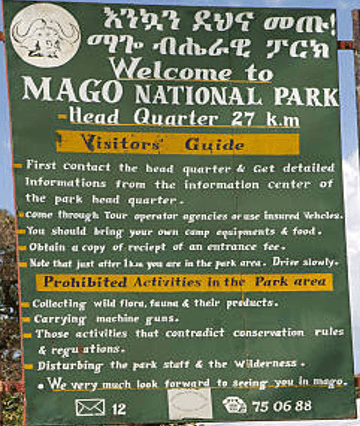
Visiting Mago National Park
The park's hours are currently set at 9:00am to 5:00pm However, flexible arrangements can be made for early morning game drives from 6:00AM. Access is only granted upon payment of appropriate park fees, vehicle, and armed ranger fees. If you choose to combine wildlife viewing with the cultural tours, be prepared to pay separate community fees.
Wildlife of Mago National Park
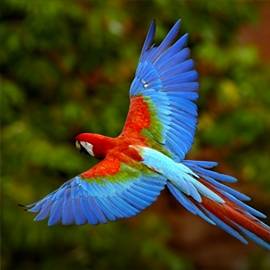
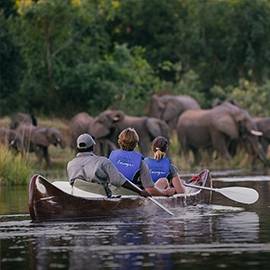
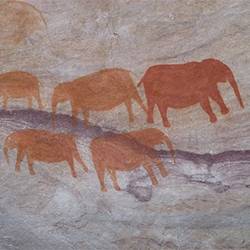
The park is an important habitat for the African buffalo and elephants, which move around in large herds in the savanna grasslands along the Mago River. Visitors can expect to see other animals such as the olive and Hamadryas baboon, and warthog, to name a few. Present predators spotted in Mago include lion, leopard, cheetah, and the spotted hyena. The Omo River and the Mago River crossings and boating safaris, though seasonal and less developed as a tourist product, allow for observation of the hippopotamus and Nile crocodile populations of the park. Rafting has since been restricted in the area due to the ongoing construction of Gilgel Gibe III dam. Mago supports 237 recorded bird species, with birding along the rain forest as an activity for spotting endemic bird species like the banded barbet, white-winged cliff chat, white-tailed starling, thick-billed starling, and the wattled ibis to name a few, making the park a heaven for bird watchers.
Mago National Park lodges and campsites
Inside the park, basic camping facilities are available at designated sites. However, in the greater Tama area, the unavailability of tourist lodges may require one to be entirely self-sufficient with their own tents, water, food, and extra fuel. Additional visitor facilities like guesthouses and small lodges are available in Jinka town which is approximately 30km from the park.
Cultural excursions in the Mago and Tama regions
Cultural tourism is also a common activity in Mago centered on visits to the indigenous pastoralist communities living next to the park. These Indigenous Peoples include the Mursi people known for their large lip plates, stretched earlobes, and deep body scarification.
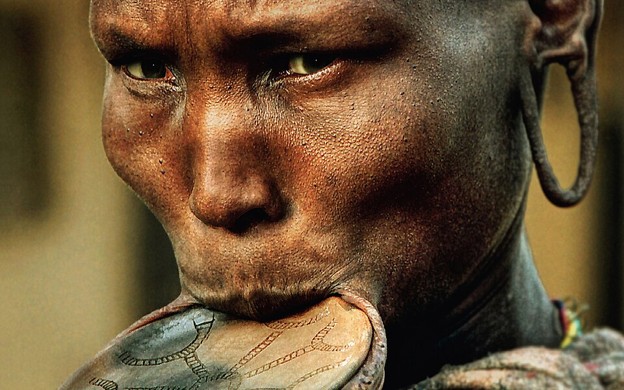
Aari people, known for their farming, pottery, colorful clothing made from banana leaves and traditional liquor distillation, and Karo people who paint their bodies with thick white ash. The Mursi indigenous people are the main cultural pull in the region. Because these communities observe a traditional lifestyle that’s untouched by modern globalization, maintaining its authenticity, cultural sensitivity and ethical tourism consumption is critical for a responsible experience. Cultural sensitivity requires a balance between heritage curiosity with strict respect for indigenous privacy to promote ethical tourism consumption. For instance, visitors must always secure prior consent before taking photos while observing photography etiquette, discuss specific fees for photo permits and other fees with your local guide beforehand, dress modestly, and refrain from exploitative practices like taking pictures of children or paying children for photos.
When to visit Mago National Park
Ethiopia’s dry season between the months of October to January is the best time for wildlife viewing. During this time, the roads to and within the park are easily accessible. Additionally, this weather is ideal for hiking and trekking excursions to Mt. Mago and Lake Dipa. Otherwise, Mago is an all year round destination for cultural visits. Visitors who need to combine the cultural, trekking, and wildlife tourism experiences may hire local guides from Jinka town for the cultural village visits, which are conducted adjacent to the park.
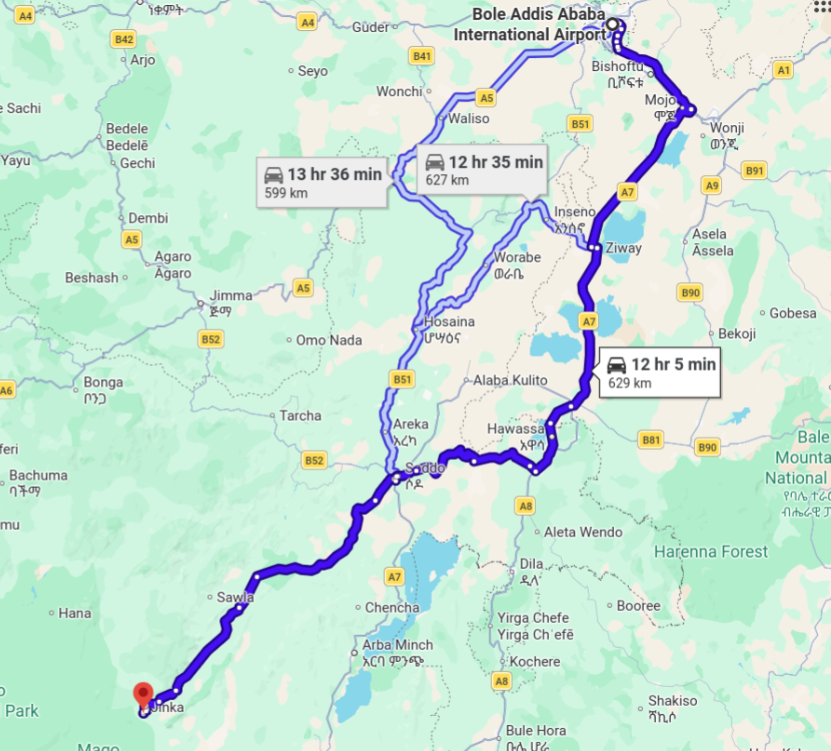
Mago National Park is about 770km south of Addis Ababa, Ethiopia’s capital. By road, it is a grueling 15-hour drive from the capital to park gates but worth the adventure for the brave. Alternatively, Ethiopian Airlines is the only airline flying this route with 8 direct domestic flights per week. This flight takes about one hour and 25 minutes from the capital to Jinka town. From Jinka, Mago is 26 to 40km away; the drive can be longer depending on the condition of the road.